Women and co-production of urban landscapes
(2022-ongoing)
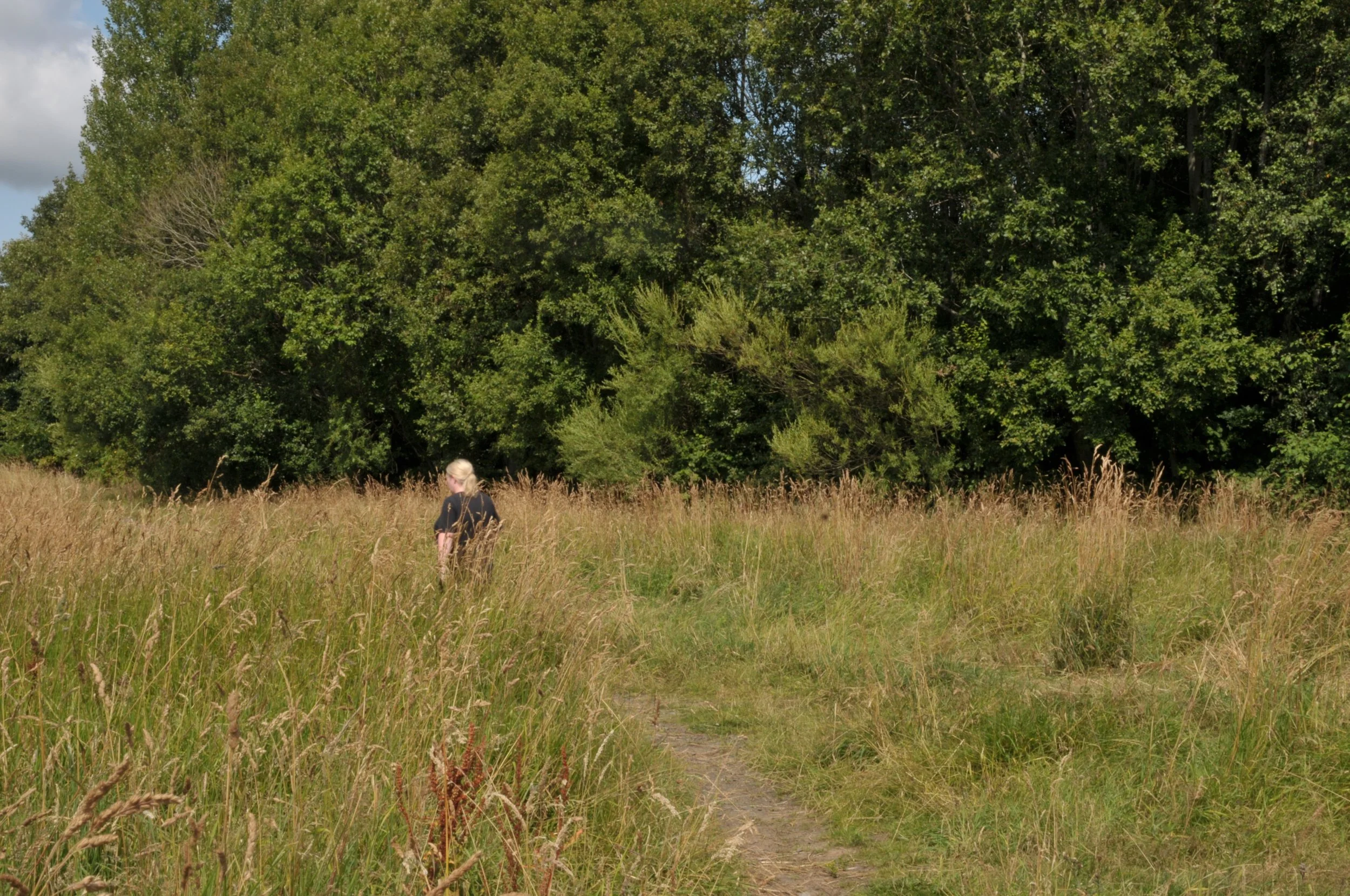
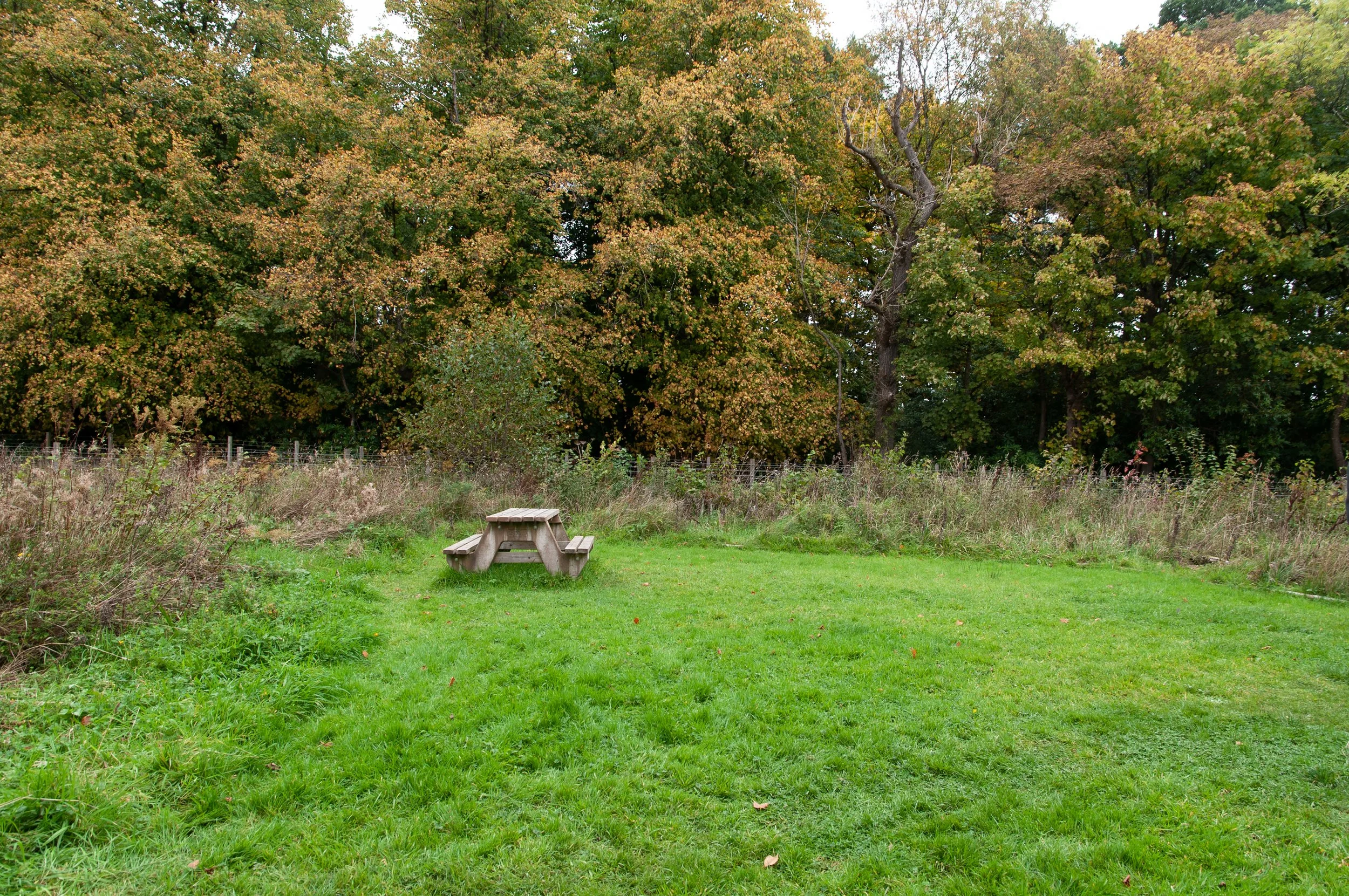
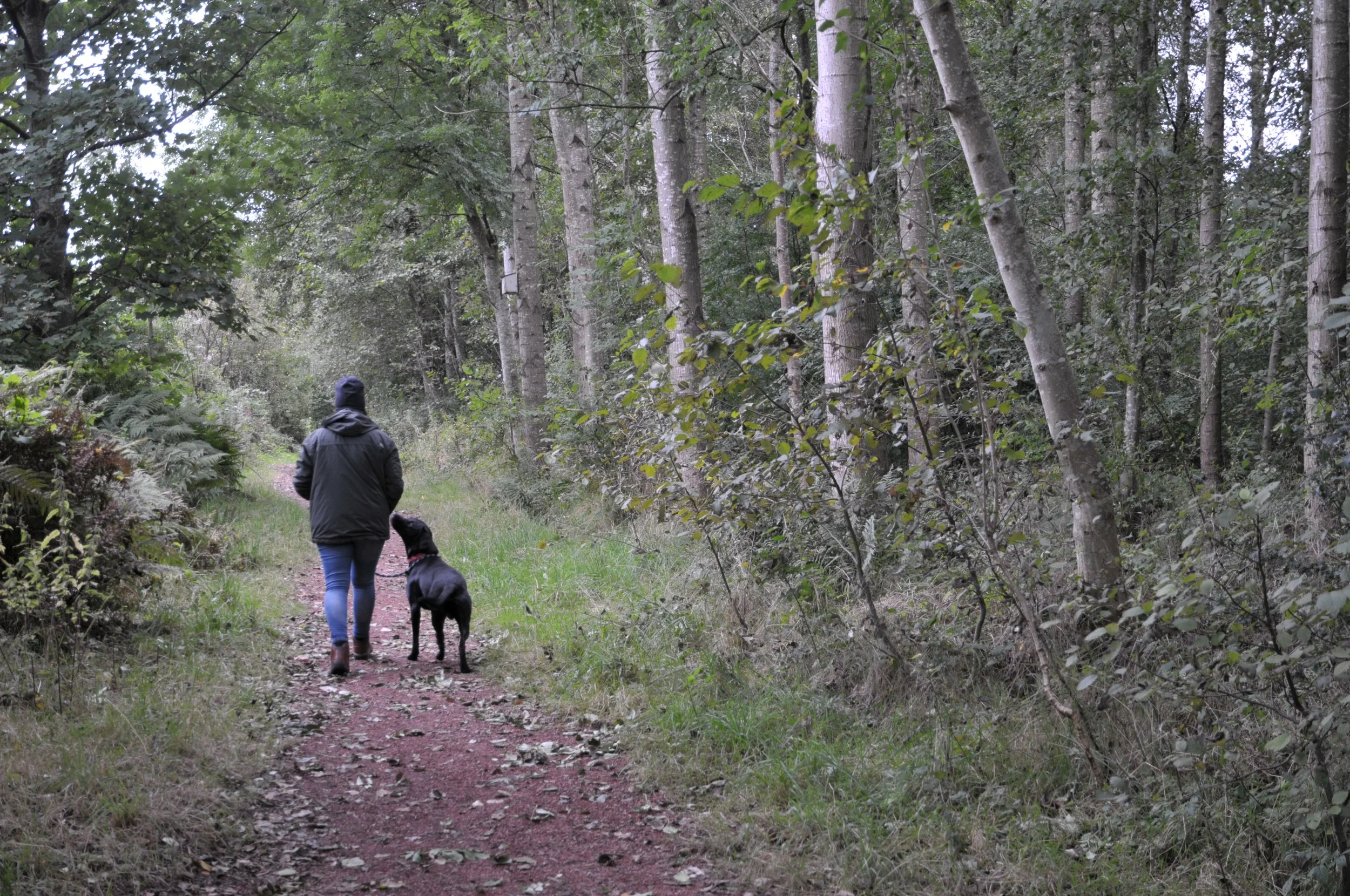
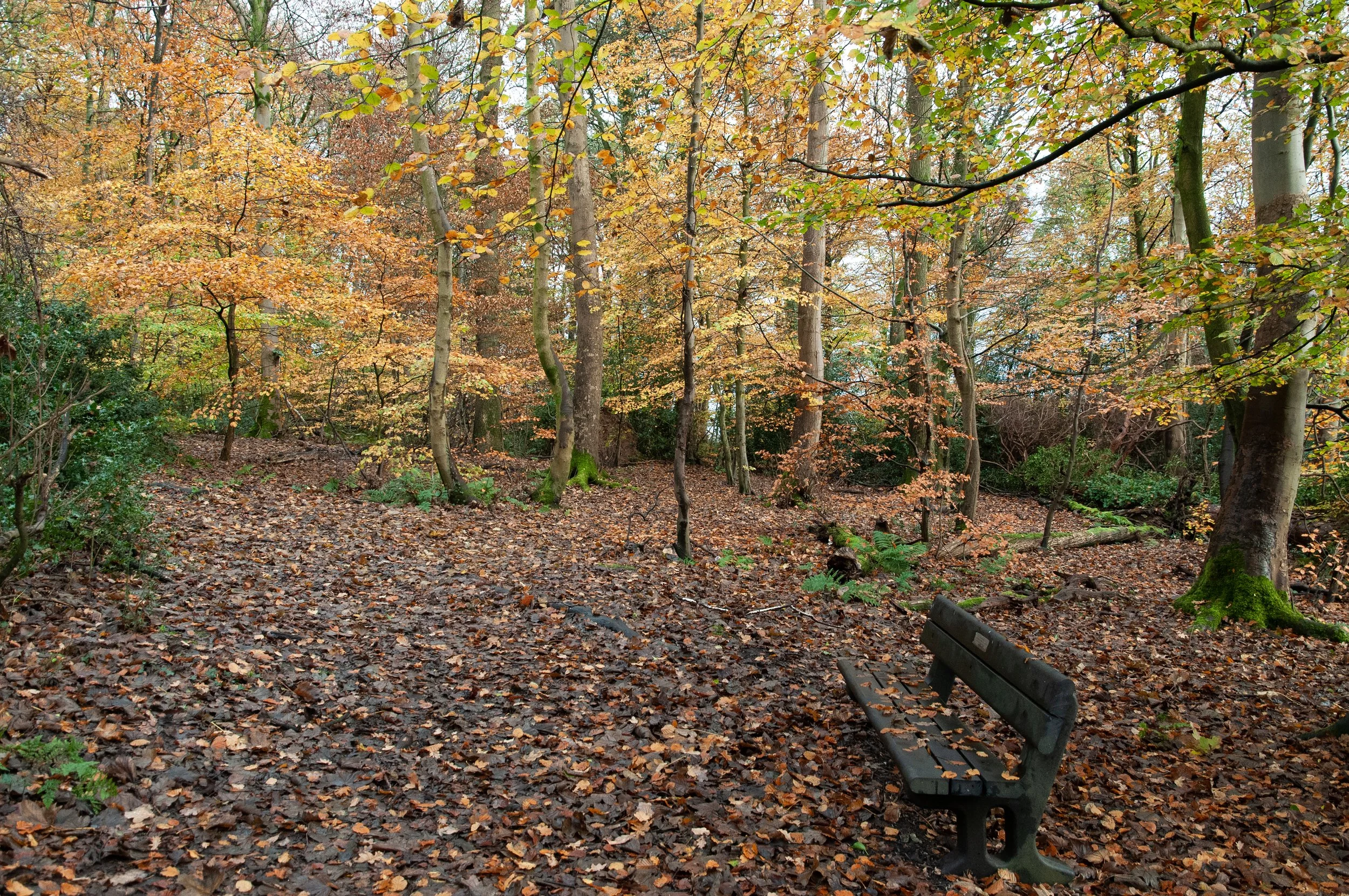
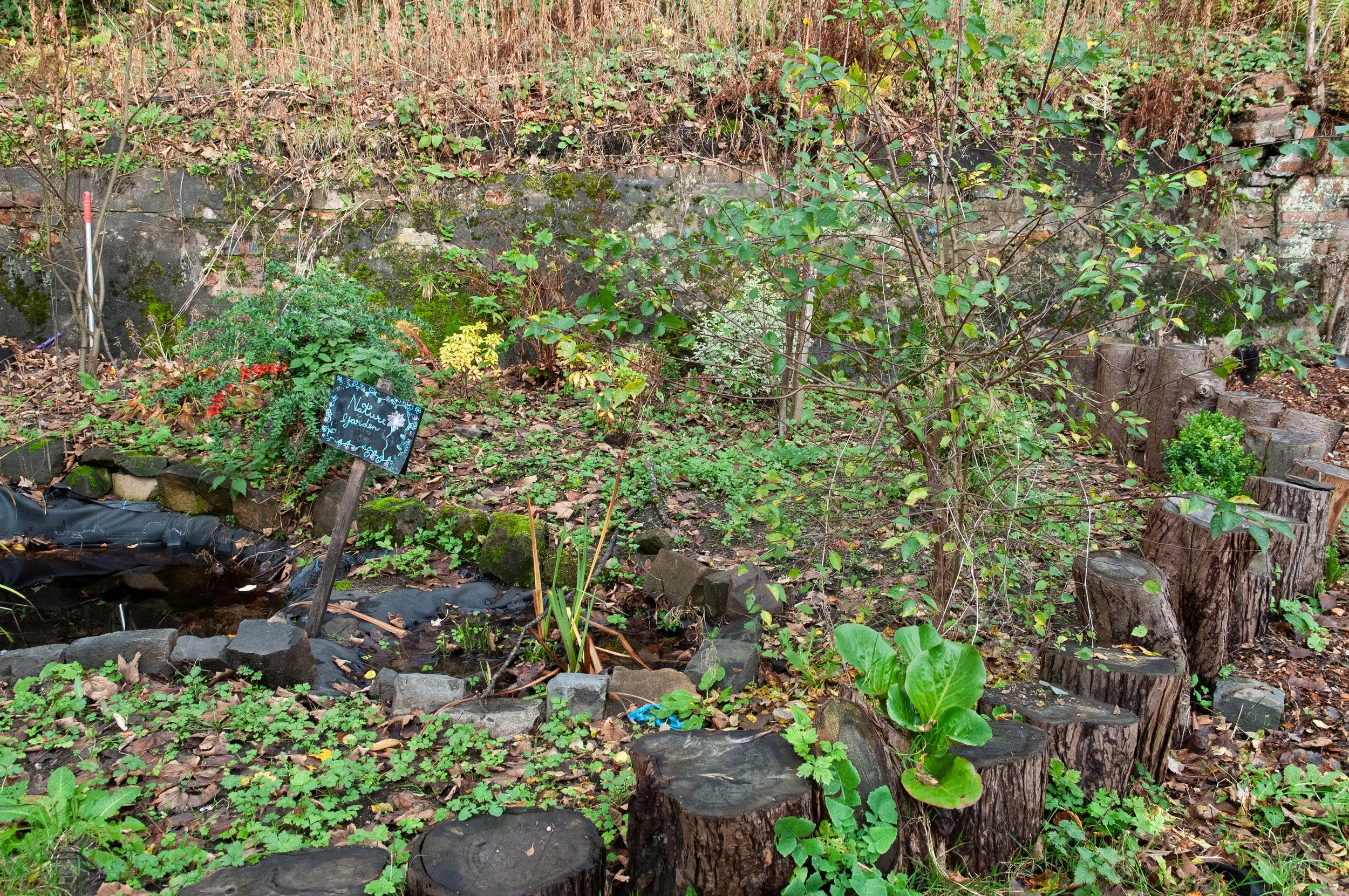
Concepts of landscape and nature have long had a cultural association with women’s sex and gender, but urban landscapes are often discussed as places of safety concerns and access issues for women and girls. Historical underrepresentation of women in decision-making roles is commonly cited as a reason why urban landscapes are not meeting women’s needs. Urban parks as a spatial typology were formed at a time when only men were employed as planning and design professionals, and women’s social subordination in the public realm was widely assumed. While society has progressed in gender equity, most ideas about urban parks have largely remained the same. An alternative to conventionally created urban landscapes are interstitial, vacant, and derelict sites that are being transformed into valuable landscapes through grassroots actions. Interstitial urban spaces have long been probed as sites for architectural and planning innovations, and valued for their novel socio-ecological assemblages. In Glasgow (Scotland, UK) those initiatives are often led by women, or with women participating in larger numbers.
Funding: Leverhulme Early Career Research Fellowship, 2022-2025
Exhibition: Advanced Research Centre, University of Glasgow, November 2025